INNOTEM End2End Solution
Initial Steps
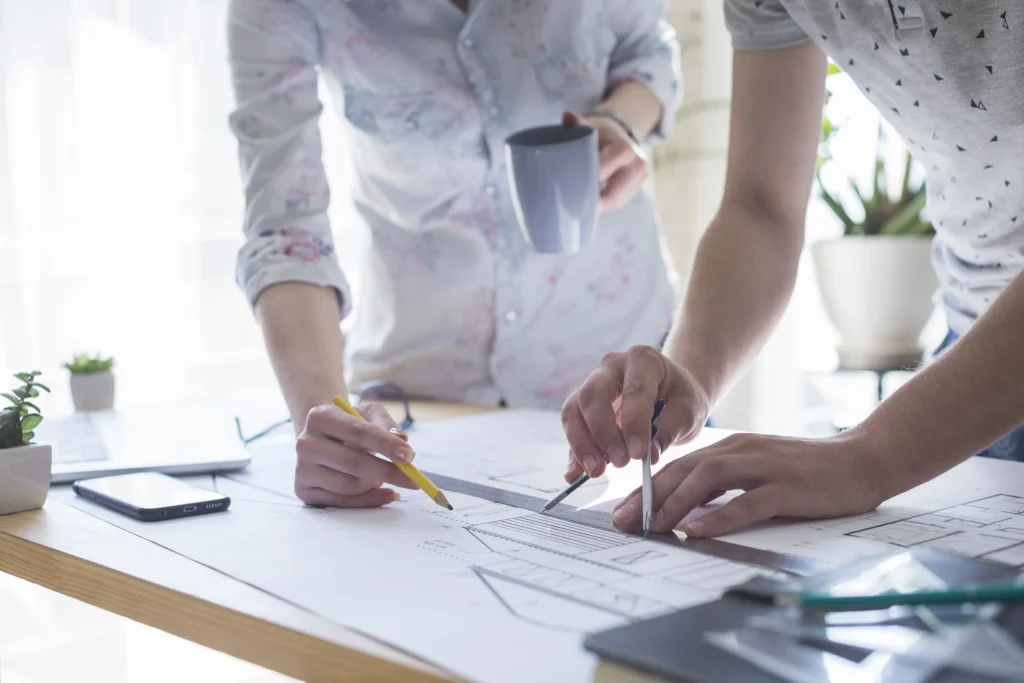
Idea Refinement and Analysis
Refine and analyze the client's initial idea based on market research and competitive analysis.
Feasibility Review
Evaluate the technical feasibility of the product and analyze the required technology and resources.
Product Concept Development
Develop an initial product concept, considering key features, design, and target market, and discuss it with the client.
Project Planning
Establish a detailed project plan, including the development schedule, budget, and resource allocation, and provide it to the client.
R&D Strategy and Proposal
Develop a research and development strategy for technology development and mass production, tailored to the client's requirements.
Business Model Proposal
Present a business model or marketing strategy to secure competitive advantage in the market after product launch.
Cost Analysis and Budget Proposal
Analyze estimated costs based on the initial design and planning, and provide solutions within the proposed budget.
Product Concept Design
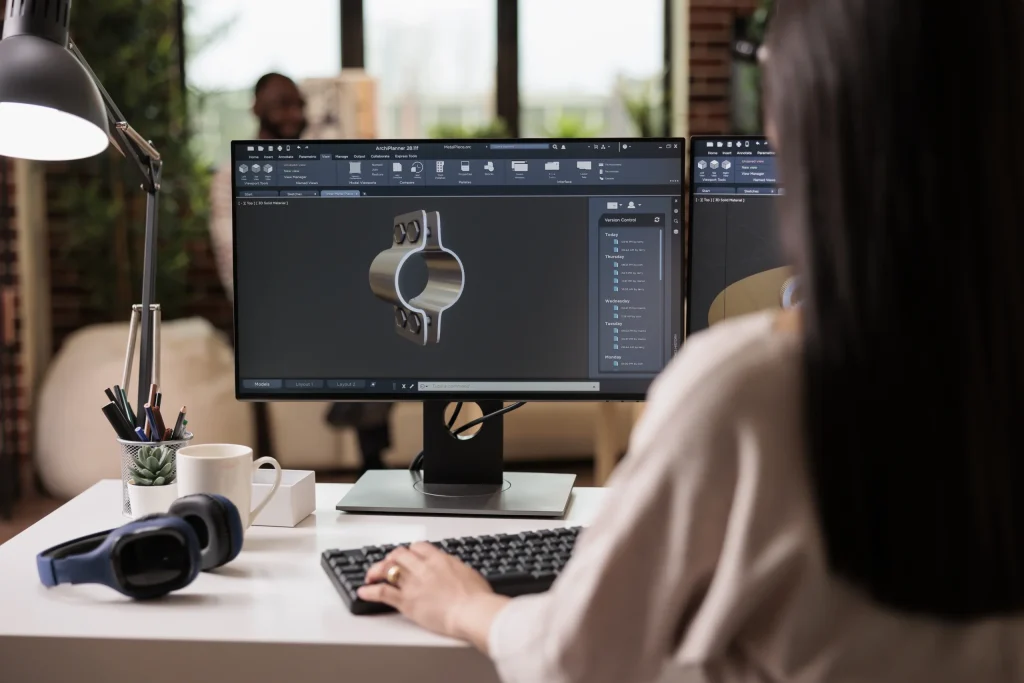
Product Concept 3D Modeling
Visualize the product's shape and structure using 3D modeling software, based on the client's idea. This step is crucial in refining the initial design idea.
Design Modification and Improvement
Modify and improve the 3D model based on client feedback. Experiment with different colors, textures, and shapes to find the optimal design.
Visualization of Product Size and Proportions
Use the 3D model to clearly demonstrate the product's actual size and proportions before creating a physical prototype.
Functional Design & Engineering

Functional Requirements Analysis
Analyze the client's product functional requirements and set design objectives to meet these requirements. Identify the priority of each function and the necessary technical elements.
Product Structure Design (Hardware)
A. Mechanical Design: Design the mechanical components of the product, clarifying how it will operate in real-world environments.
B. Component Placement and Assembly Design: Define component placement and assembly methods to ensure efficient production and use.
Electrical/Electronic Design
A. Circuit Design: Define and optimize the electrical connections of the electronic product.
B. PCB Design: Implement the circuit on a Printed Circuit Board (PCB) and minimize errors through simulations.
CAD Design & 3D Modeling
Use CAD tools to design the product in detail and precisely define its shape, dimensions, and components through 3D modeling.
Material Selection & Evaluation
Select materials needed for product design and evaluate them based on durability, cost, and environmental factors.
Production Optimization Design
Optimize design for mass production, focusing on cost reduction, efficient production processes, and ease of assembly and maintenance.
User Experience (UX) & Ergonomic Design
Optimize the design considering user comfort, such as button placement, size, and materials.
Safety & Regulatory Compliance Design
Design the product to comply with safety regulations and legal requirements, conducting safety tests to prevent legal issues.
Prototyping & Testing
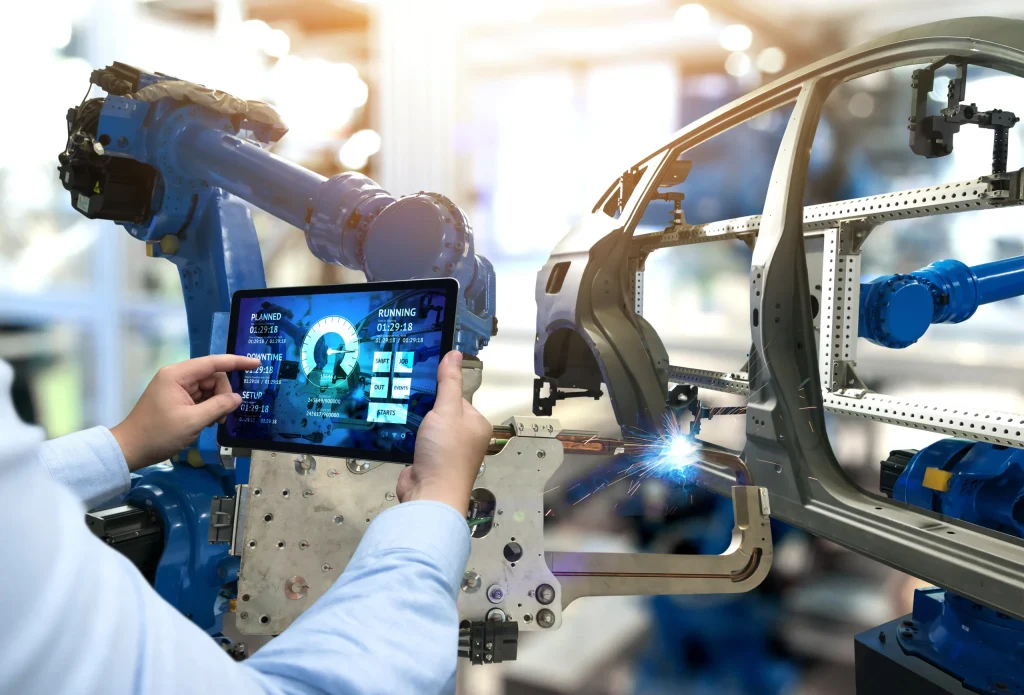
Initial Design Concept Visualization
Create a physical mock-up of the product to allow the client to see the actual size, shape, color, texture, and proportions of the design.
Usability & Functionality Testing
Use the mock-up to evaluate the product's usability and functionality, ensuring the interface and feature layout are appropriate.
Material & Finish Verification
Produce mock-ups with various materials to allow the client to assess how each material and finish will apply to the product.
Design Modification & Optimization
Modify the design based on client feedback, optimizing visual and tactile elements for real-world use.
Mold Design & Production
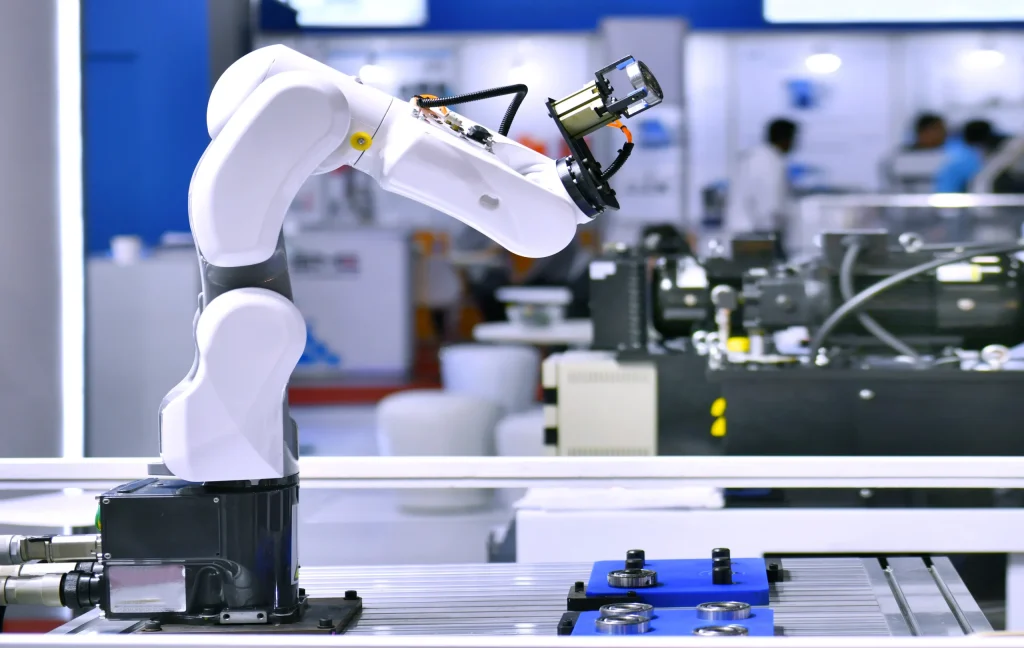
Mold Design & Optimization
A.Mold Design: Design the mold according to the product's shape and specifications.
B.Optimization: Optimizing it for efficiency while maintaining quality and minimizing costs.
Technical Specifications for Mold Production
Provide detailed technical specifications and design drawings to minimize errors and facilitate efficient mold production.
Provide detailed technical specifications and design drawings to minimize errors and facilitate efficient mold production.
A.Production Schedule: Provide a schedule for mold production.
B.Cost Estimate: Estimated cost to help the client plan the overall project.
Mold Testing & Quality Assurance
A.Mold Testing: Perform the first mold test.
B.Quality Assurance: Adjust the design based on quality checks.
Mold Post-production Modifications
After testing, optimize the mold by making necessary adjustments to ensure the final product quality.
Mass Production & Delivery
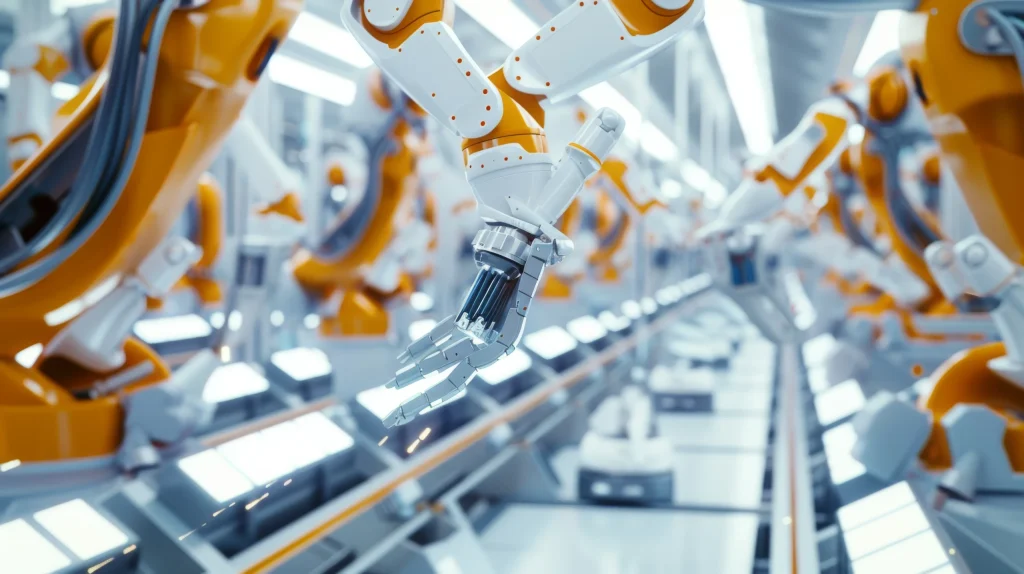
Mass Production Planning & Schedule Management
Collaborate with the client to create a mass production schedule, outlining the time required for each production phase.
Quality Management & Assurance
Design a Quality Management System (QMS) to ensure the product meets quality standards.
Conduct quality checks on the first production batch and make necessary adjustments.
Production Process Monitoring & Optimization
Monitor and optimize the production process to maximize efficiency and minimize unnecessary costs.
Raw Material & Component Supply Management
Manage the procurement and inspection of raw materials and components to ensure quality.
Production Line Setup & Adjustment
Set up and adjust the production line to optimize productivity and ensure smooth production.
Mass Production & Shipping
Begin mass production and deliver the products according to the production schedule.
Ongoing Quality Management
Continue monitoring quality throughout mass production and incorporate client feedback to improve the product.
Distribution & Marketing Support
Support marketing and distribution strategies to ensure the product successfully reaches the market.
Post-Mass Production Management & Service
Provide post-launch customer service, including after-sales support and inventory management.
Packaging Design & finishing work
Packaging Design
A. Design Concept Development: Develop packaging designs that reflect the product's brand image and message.
B. Branding & Style: Reflect the brand's colors, logo, and slogan to emphasize consistency and uniqueness.
C. Selection of Packaging Type: Choose the appropriate packaging type based on the product's size, shape, and characteristics to ensure safety and appeal.
Packaging & Protection Design
A. Protection Function Design: Design packaging to protect the product from impact and damage.
B. Environmentally Friendly Materials: Use eco-friendly materials to provide sustainable packaging.
Packaging Prototype Production
A. Packaging Sample Production: Produce packaging samples before mass production to test design and functionality.
B. Functionality Testing: Test ease of opening, storage, and other aspects to ensure customer expectations are met.
Assembly & Packaging Process
A. Assembly Work: Design and manage the assembly process for packaging.
B. Manual Packaging: Perform manual packaging for special requirements.
Packaging Automation for Mass Production
A. Packaging Automation System: Implement automated packaging systems for mass production.
B. Production Line Integration: Integrate production and packaging lines for seamless workflow.
Packaging Specification & Layout Optimization
A. Packaging Efficiency Optimization: Design packaging that minimizes logistical costs.
B. Layout Design: Optimize packaging layout to ensure product protection and easy consumer access.
Detailed Packaging Elements
A. Labels & Print Materials: Design labels and print materials for product branding and information.
B. Packaging Options: Offer various packaging options for special events or premium presentation.
Quality Inspection & Testing
A. Packaging Quality Inspection: Conduct quality checks to ensure products are delivered safely.
B. Durability Testing: Test packaging durability against shipping impacts and pressure.
Initial Steps
Idea Refinement and Analysis
Refine and analyze the client's initial idea based on market research and competitive analysis.
Feasibility Review
Evaluate the technical feasibility of the product and analyze the required technology and resources.
Product Concept Development
Develop an initial product concept, considering key features, design, and target market, and discuss it with the client.
Project Planning
Establish a detailed project plan, including the development schedule, budget, and resource allocation, and provide it to the client.
R&D Strategy and Proposal
Develop a research and development strategy for technology development and mass production, tailored to the client's requirements.
Business Model Proposal
Present a business model or marketing strategy to secure competitive advantage in the market after product launch.
Cost Analysis and Budget Proposal
Analyze estimated costs based on the initial design and planning, and provide solutions within the proposed budget.
Product Concept Design
Product Concept 3D Modeling
Visualize the product's shape and structure using 3D modeling software, based on the client's idea. This step is crucial in refining the initial design idea.
Design Modification and Improvement
Modify and improve the 3D model based on client feedback. Experiment with different colors, textures, and shapes to find the optimal design.
Visualization of Product Size and Proportions
Use the 3D model to clearly demonstrate the product's actual size and proportions before creating a physical prototype.
Functional Design & Engineering
Functional Requirements Analysis
Analyze the client's product functional requirements and set design objectives to meet these requirements. Identify the priority of each function and the necessary technical elements.
Product Structure Design (Hardware)
A. Mechanical Design: Design the mechanical components of the product, clarifying how it will operate in real-world environments.
B. Component Placement and Assembly Design: Define component placement and assembly methods to ensure efficient production and use.
Electrical/Electronic Design
A. Circuit Design: Define and optimize the electrical connections of the electronic product.
B. PCB Design: Implement the circuit on a Printed Circuit Board (PCB) and minimize errors through simulations.
CAD Design & 3D Modeling
Use CAD tools to design the product in detail and precisely define its shape, dimensions, and components through 3D modeling.
Material Selection & Evaluation
Select materials needed for product design and evaluate them based on durability, cost, and environmental factors.
Production Optimization Design
Optimize design for mass production, focusing on cost reduction, efficient production processes, and ease of assembly and maintenance.
User Experience (UX) & Ergonomic Design
Optimize the design considering user comfort, such as button placement, size, and materials.
Safety & Regulatory Compliance Design
Design the product to comply with safety regulations and legal requirements, conducting safety tests to prevent legal issues.
Prototyping & Testing
Initial Design Concept Visualization
Create a physical mock-up of the product to allow the client to see the actual size, shape, color, texture, and proportions of the design.
Usability & Functionality Testing
Use the mock-up to evaluate the product's usability and functionality, ensuring the interface and feature layout are appropriate.
Material & Finish Verification
Produce mock-ups with various materials to allow the client to assess how each material and finish will apply to the product.
Design Modification & Optimization
Modify the design based on client feedback, optimizing visual and tactile elements for real-world use.
Mold Design & Production
Mold Design & Optimization
A.Mold Design: Design the mold according to the product's shape and specifications.
B.Optimization: Optimizing it for efficiency while maintaining quality and minimizing costs.
Technical Specifications for Mold Production
Provide detailed technical specifications and design drawings to minimize errors and facilitate efficient mold production.
Provide detailed technical specifications and design drawings to minimize errors and facilitate efficient mold production.
A.Production Schedule: Provide a schedule for mold production.
B.Cost Estimate: Estimated cost to help the client plan the overall project.
Mold Testing & Quality Assurance
A.Mold Testing: Perform the first mold test.
B.Quality Assurance: Adjust the design based on quality checks.
Mold Post-production Modifications
After testing, optimize the mold by making necessary adjustments to ensure the final product quality.
Mass Production & Delivery
Mass Production Planning & Schedule Management
Collaborate with the client to create a mass production schedule, outlining the time required for each production phase.
Quality Management & Assurance
Design a Quality Management System (QMS) to ensure the product meets quality standards.
Conduct quality checks on the first production batch and make necessary adjustments.
Production Process Monitoring & Optimization
Monitor and optimize the production process to maximize efficiency and minimize unnecessary costs.
Raw Material & Component Supply Management
Manage the procurement and inspection of raw materials and components to ensure quality.
Production Line Setup & Adjustment
Set up and adjust the production line to optimize productivity and ensure smooth production.
Mass Production & Shipping
Begin mass production and deliver the products according to the production schedule.
Ongoing Quality Management
Continue monitoring quality throughout mass production and incorporate client feedback to improve the product.
Distribution & Marketing Support
Support marketing and distribution strategies to ensure the product successfully reaches the market.
Post-Mass Production Management & Service
Provide post-launch customer service, including after-sales support and inventory management.
Packaging Design & finishing work
Packaging Design
A. Design Concept Development: Develop packaging designs that reflect the product's brand image and message.
B. Branding & Style: Reflect the brand's colors, logo, and slogan to emphasize consistency and uniqueness.
C. Selection of Packaging Type: Choose the appropriate packaging type based on the product's size, shape, and characteristics to ensure safety and appeal.
Packaging & Protection Design
A. Protection Function Design: Design packaging to protect the product from impact and damage.
B. Environmentally Friendly Materials: Use eco-friendly materials to provide sustainable packaging.
Packaging Prototype Production
A. Packaging Sample Production: Produce packaging samples before mass production to test design and functionality.
B. Functionality Testing: Test ease of opening, storage, and other aspects to ensure customer expectations are met.
Assembly & Packaging Process
A. Assembly Work: Design and manage the assembly process for packaging.
B. Manual Packaging: Perform manual packaging for special requirements.
Packaging Automation for Mass Production
A. Packaging Automation System: Implement automated packaging systems for mass production.
B. Production Line Integration: Integrate production and packaging lines for seamless workflow.
Packaging Specification & Layout Optimization
A. Packaging Efficiency Optimization: Design packaging that minimizes logistical costs.
B. Layout Design: Optimize packaging layout to ensure product protection and easy consumer access.
Detailed Packaging Elements
A. Labels & Print Materials: Design labels and print materials for product branding and information.
B. Packaging Options: Offer various packaging options for special events or premium presentation.
Quality Inspection & Testing
A. Packaging Quality Inspection: Conduct quality checks to ensure products are delivered safely.
B. Durability Testing: Test packaging durability against shipping impacts and pressure.

